
Apply for a Canadian passport
A Canadian passport proves your citizenship when you travel abroad. Immigration, Refugees and Citizenship Canada (IRCC) processes applications through service locations, partner locations, and—where offered—by mail. You choose how quickly you need the booklet, pay regulated fees, and submit a photograph that meets strict standards.
This training page explains how first-time and replacement applications generally work. Rules, forms, fee amounts, and processing times change—always confirm the current instructions on Canada.ca before teaching a dated scenario.
Who can apply and what you need first
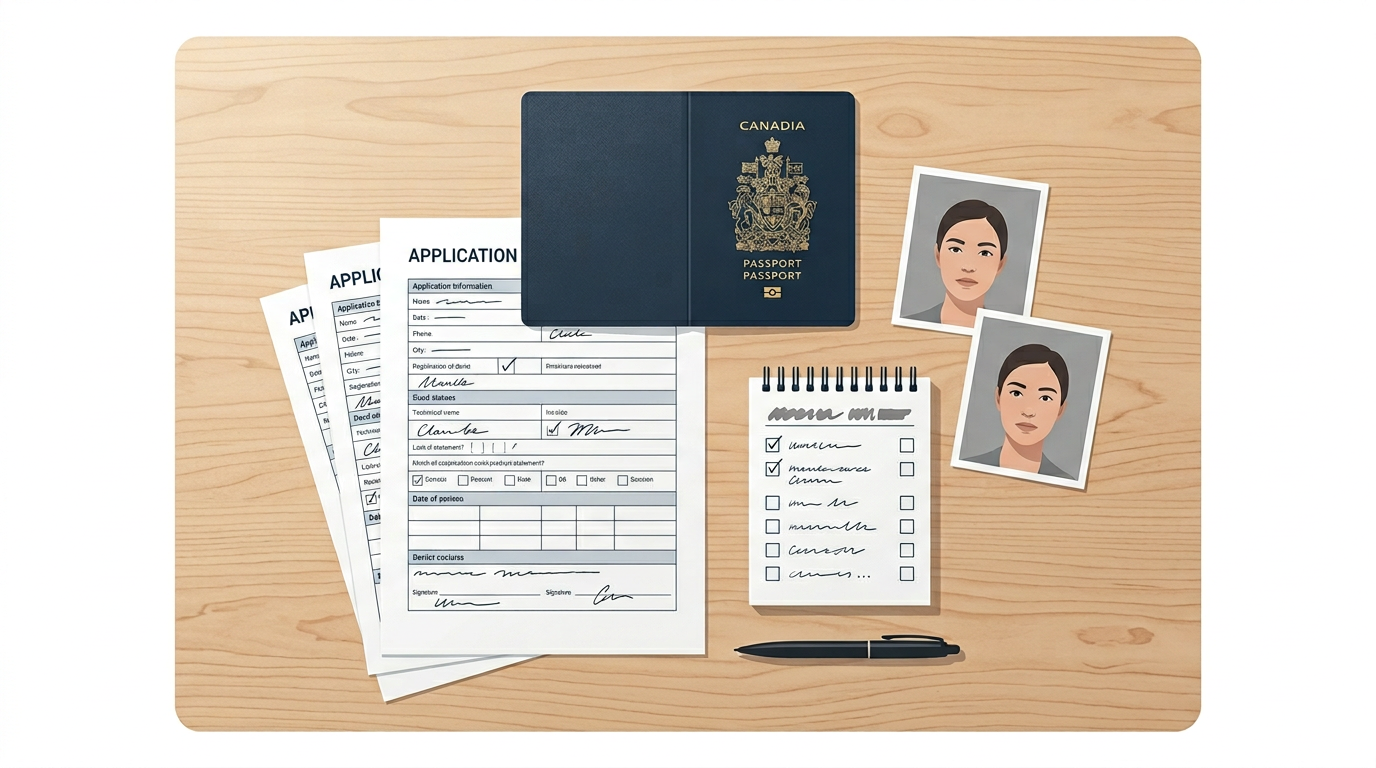
You must be a Canadian citizen. You will need proof of citizenship (such as a certificate or, in some cases, other evidence IRCC lists), supporting identity documents, and a passport photo that complies with published specifications. Adults and children use different forms and validity periods; child passports expire sooner than standard adult passports.
If you are replacing a lost, stolen, or damaged passport, say so on the application. You may need a police report or statutory declaration for loss or theft; damaged passports are often submitted with the application so staff can see what failed.
How to get a passport: channels and steps
In most regions you can apply in person at a passport office or a receiving agent (hours and services differ). Some applicants mail complete packages when mail-in service is permitted for their situation—use trackable mail and keep copies of everything.
Online submission options evolve by program phase; Canada.ca is the authoritative list. Whatever the channel, you normally complete the application form, attach photos and supporting documents, pay the fee, and receive a file number or receipt you can use for status inquiries.
Choose service speed to match your travel date. Routine processing is cheaper; express or urgent options cost more and require proof of travel or humanitarian need where rules say so. Do not book non-refundable travel until you understand realistic processing times for your location.
Photos, guarantors, and references
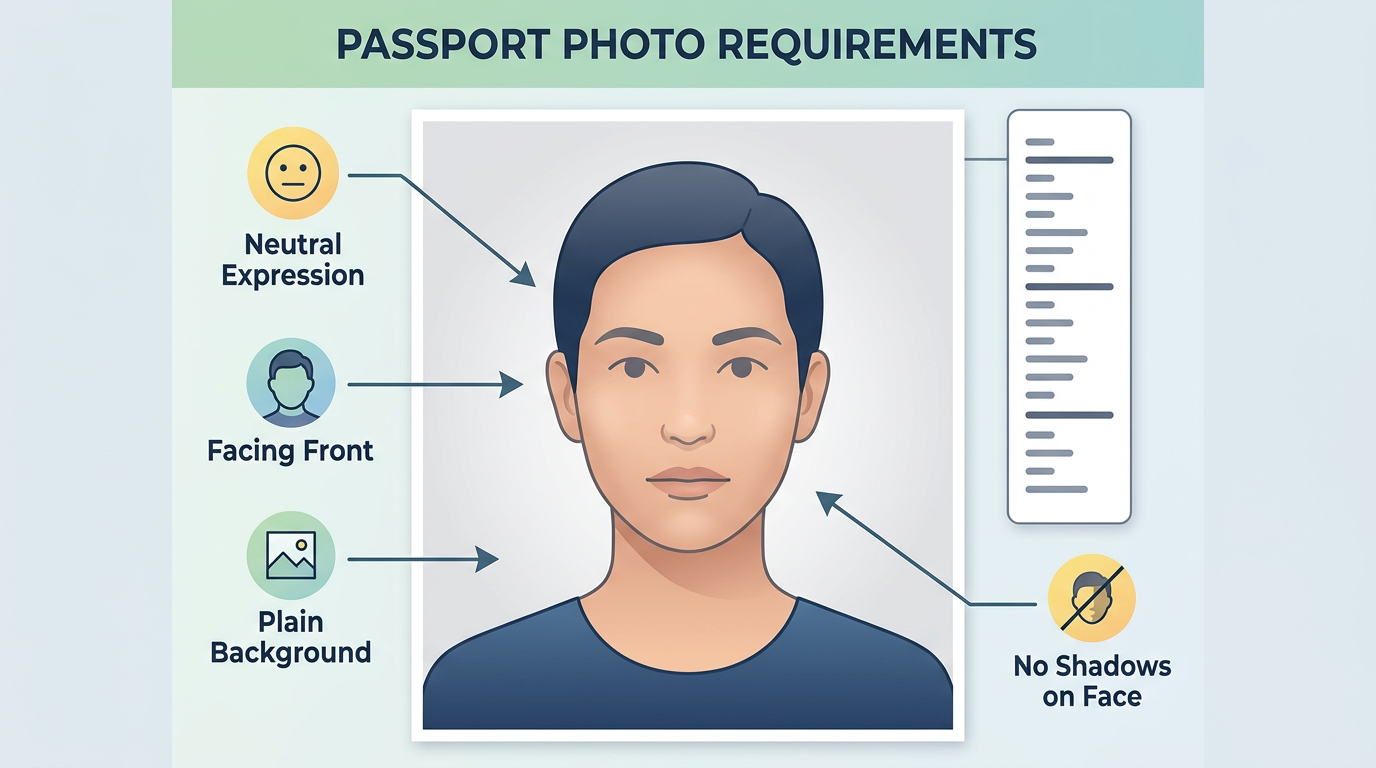
Passport photos are not generic “headshots.” IRCC publishes measurements, head size, expression, glasses rules, and digital submission standards. Rejections delay travel—budget time for a retake if a counter clerk or processing centre flags the image.
Many adult applications require a guarantor who has known you personally and meets eligibility (Canadian citizen, particular professions, etc.—check the current list). The guarantor may need to sign documents and the back of one photo. Simplified renewal streams exist only for narrow cases; otherwise guarantor rules apply as on the form.
Fees, payment, and delivery
Fees depend on passport type (5- or 10-year adult, child), optional services, and how fast you need the document. Payment methods vary by site—credit card, debit, or other options as posted.
You may receive the passport by mail to a secure address or pick it up at a location that offers collection. Pickup often requires original receipt and photo ID; some offices hold parcels only a limited time—teach students to read pickup notices carefully.
Children: consent and custody
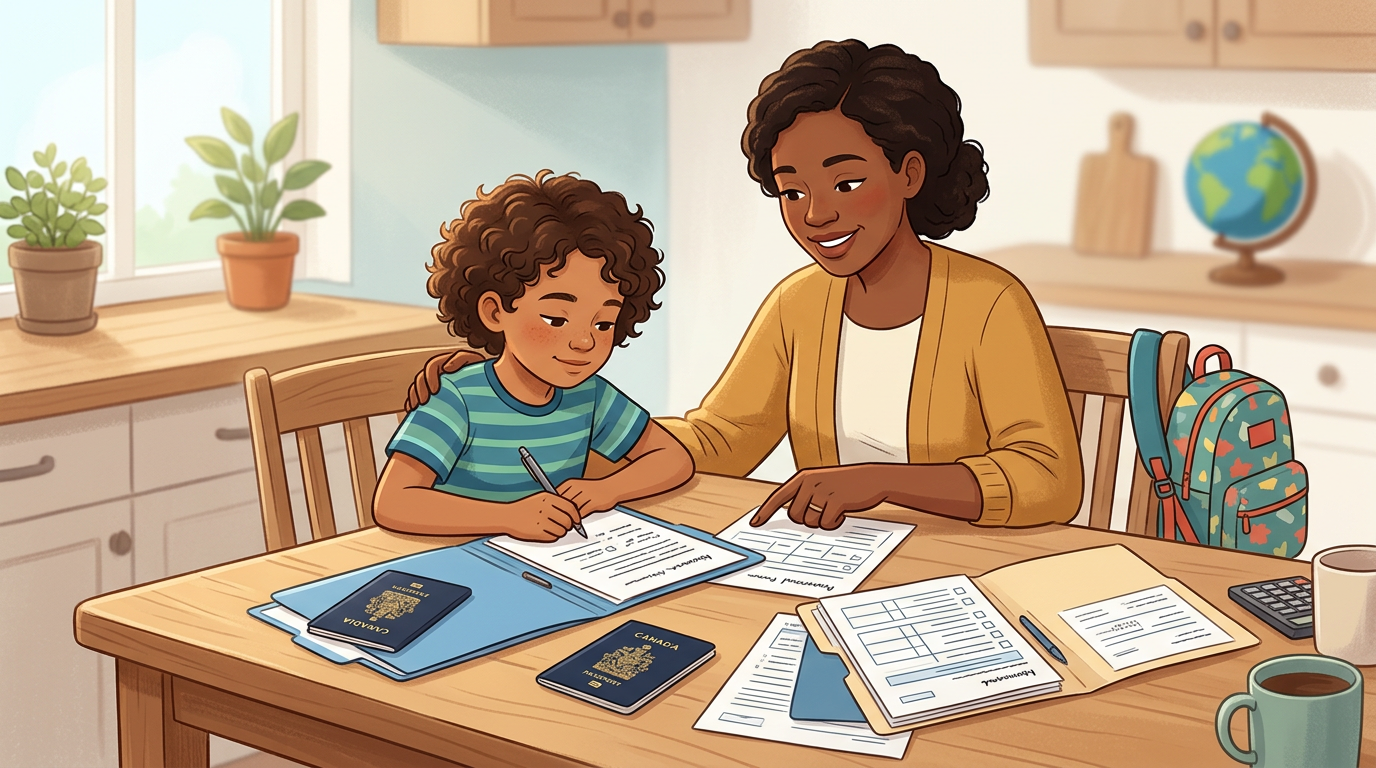
For minors, passport staff must be satisfied that everyone with legal decision-making power agrees to the travel document. Both parents often sign; court orders for sole custody or travel restrictions override informal arrangements. Bring current documents—old separation agreements may be stale if parenting time changed.
Children cannot consent for themselves; the adult applicant must prove relationship and authority. International parental abduction prevention is a serious policy goal—trainers should not script shortcuts around consent.
Pickup, mail, and status
Some offices offer faster turnaround or same-week pickup when you prove imminent travel and pay the correct service level. Mail delivery depends on Canada Post or courier service in your area—remote communities face longer lanes.
Use your receipt or file reference when you call or use online status tools (where available). Keep personal details off classroom screenshots; use fictional file numbers in slides.
Lost, stolen, or urgent travel
Report loss or theft promptly; a police report number may be required. A replacement is a new application with extra scrutiny—you are proving identity again, not “extending” the old number.
If you are abroad and need help, Canadian embassies and consulates publish emergency contact paths. Temporary travel documents may exist for genuine emergencies; fees and evidence rules still apply.
After you receive your passport
Sign the passport where indicated; some countries expect machine-readable zone data to match airline tickets exactly. Many destinations require six months’ validity beyond your return—check foreign entry rules, not only Canada’s issuance rules.
Store the document in a dry place; water damage and torn chip pages can invalidate the booklet. This sandbox links to Passport Renewal for wallet-style lab data; pair it with Passport applications for renewal vs full-application distinctions.
Passport
Travel flyout “Apply for a passport”.
Wallet UI: Passport Renewal · Long-form renewals: Passport applications.
Demonstration text and stock-style illustrations only—not IRCC instructions.